Labs and Research Centers
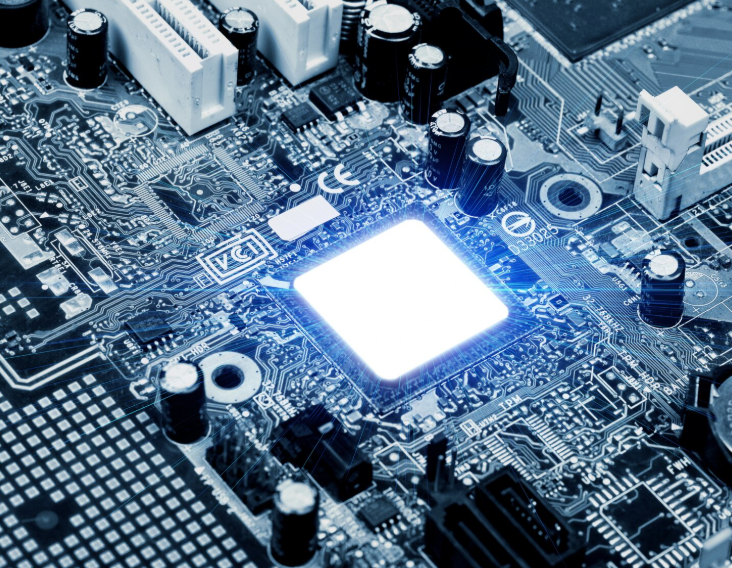
Center for Intensive Numerical Modeling (CINM)
- Bacterial Pathology: Exploring the chelation mechanisms of transition metals (Fe, Co, Mg, Zn) by bacterial metallophores like pseudopaline and staphylopine, virulence factors crucial to bacterial survival. Insights from this research could enhance clinical strategies to combat bacterial infections.
- Iron Chelation Therapy: Studying the chelating molecule deferasirox at the quantum level to understand its mechanisms in removing excess iron, particularly for patients undergoing frequent blood transfusions.
- Magnetic Spin-Crossover Mechanisms: Investigating ultrafast laser-induced spin transitions in iron and cobalt complexes, which involve color changes and hold potential for innovative applications. Collaborative research with the University of Rennes (France) has resulted in significant joint publications in top-tier scientific journals.
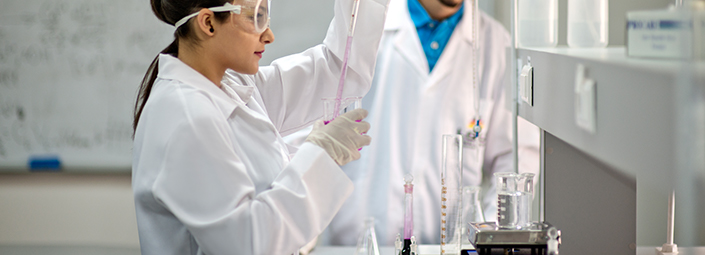
Medical Sciences and Chemistry Laboratories
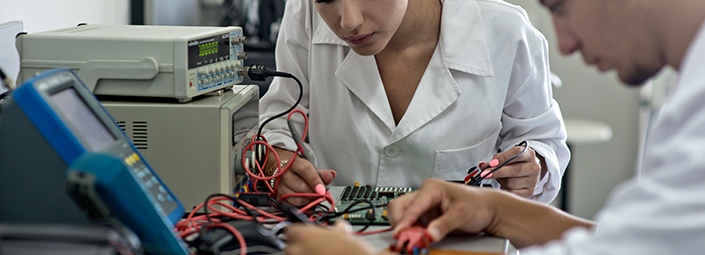
Biomedical Instrumentation Laboratory
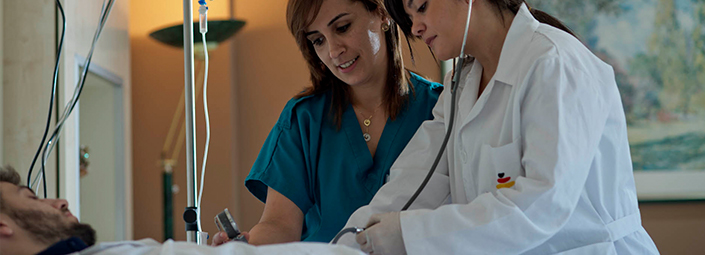
Nursing Simulation Laboratory
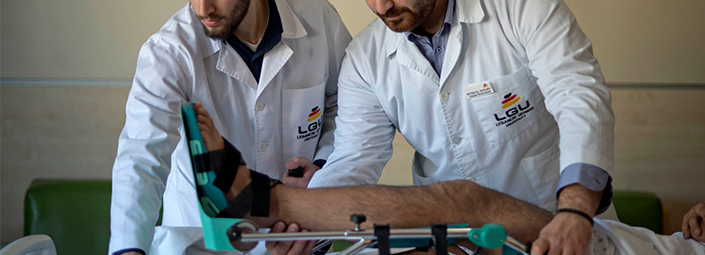
Physiotherapy Laboratory
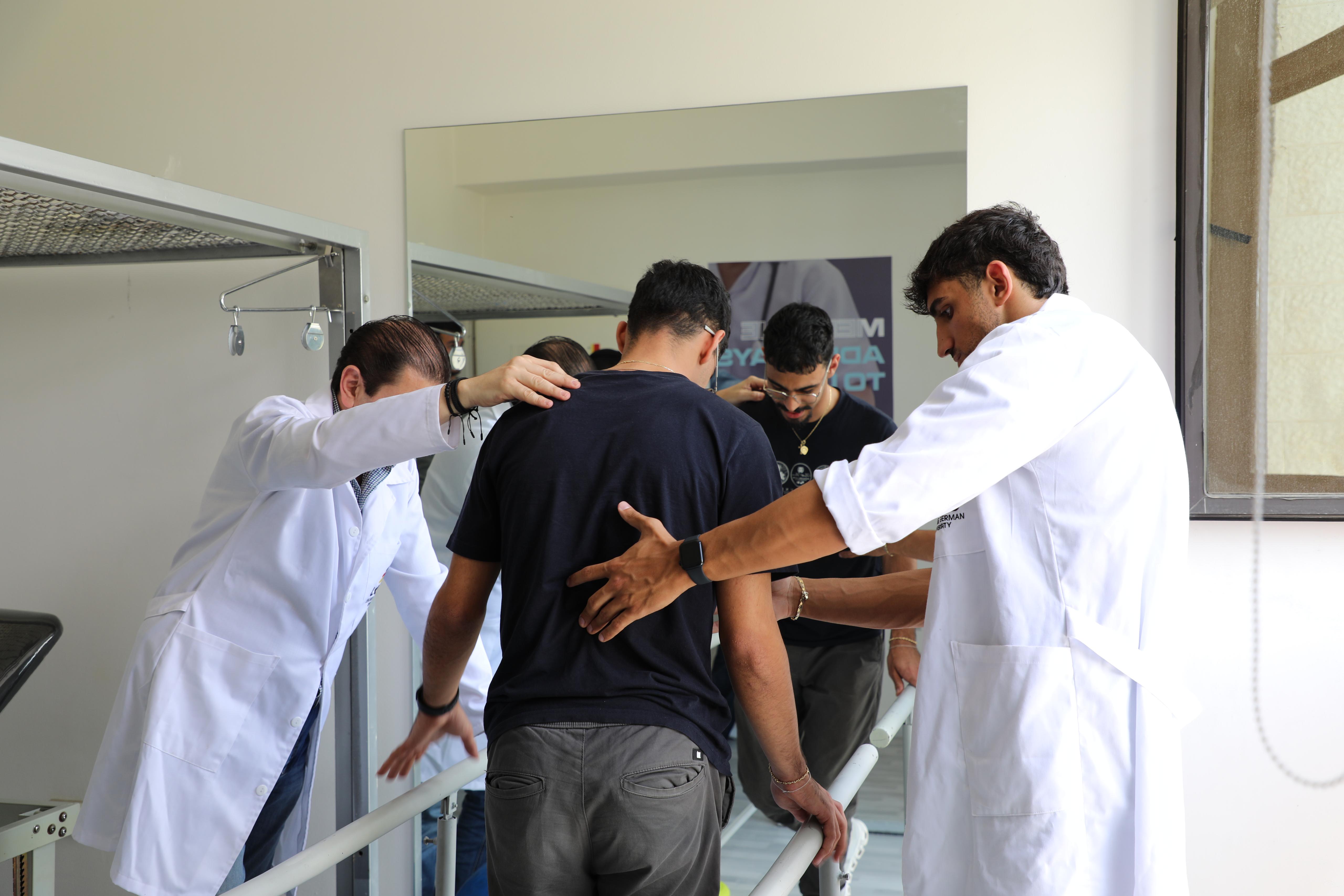
The Physiotherapy Laboratory serves as both a dynamic training ground and a research hub, enabling students to bridge the gap between theoretical knowledge and practical application. Equipped with advanced rehabilitation tools and technologies, the lab provides a realistic environment for students to develop and refine their clinical skills. Beyond training, the laboratory is at the forefront of research into innovative rehabilitation techniques, exploring methods to optimize patient recovery and enhance therapeutic outcomes.
Faculty and students collaborate on research projects that contribute to high-impact publications, advancing the field of physiotherapy while fostering evidence-based practices. This dual role as a learning and research center ensures that students are well-prepared for clinical careers and actively contribute to the scientific community.
Physiotherapy and Research Clinic (PaRC)
The Physiotherapy and Research Clinic (PaRC) at LGU brings together patient care, practical education, and research within one clinical environment. Established as part of LGU’s commitment to excellence in physiotherapy education and community health, PaRC provides high-quality rehabilitation services while serving as a platform for clinical training, scientific research, and innovation in physiotherapy practice.
Patient Care and Rehabilitation
PaRC provides comprehensive physiotherapy assessment and rehabilitation services aimed at restoring movement and function, relieving pain, preventing disability, and improving quality of life. Patients benefit from detailed clinical and functional assessments that help identify the underlying causes and consequences of dysfunction and guide the development of individualized, evidence-based treatment plans. The clinic addresses a broad range of musculoskeletal, neurological, functional, and rehabilitation needs, combining evidence-based therapeutic approaches with advanced rehabilitation technologies and modern clinical equipment. Designed to reflect current developments in physiotherapy and rehabilitation, PaRC provides an environment where innovative technologies complement established clinical approaches, enhancing patient care while giving students exposure to contemporary rehabilitation practice.
Treatment is tailored to each patient’s condition, functional goals, and progress, with continuous assessment supporting adjustments throughout the rehabilitation process.
PaRC works with most health insurance providers to facilitate access to physiotherapy services. Depending on the patient’s insurance plan, consultations and treatment sessions may be partially or fully covered. In line with LGU’s commitment to community service and research, selected patients may also benefit from complimentary assessments or treatment sessions as part of community health initiatives, outreach activities, or approved clinical research projects, subject to the specific eligibility criteria of each initiative.
A Clinical Learning Environment for Students
A central role of PaRC is to bridge the gap between academic learning and clinical practice. While LGU maintains strong partnerships with hospitals and rehabilitation centers that provide essential external internship placements, the on-campus clinic offers students a complementary learning environment that is integrated into the curriculum. It allows students to engage in structured clinical exposure throughout their studies, alongside their designated external placements.
Within PaRC, students develop their clinical competencies through direct exposure to patients under the supervision of qualified and experienced faculty members, in a setting that is closely aligned with their coursework and learning progression. This proximity between classroom teaching and clinical application supports the reinforcement of theoretical concepts and contributes to steady skill development.
Students learn to translate theoretical knowledge into practice by participating, according to their level of training, in patient assessment, clinical reasoning, treatment planning, therapeutic interventions, progress monitoring, and patient education. This supervised experience strengthens their technical and interpersonal skills, professional judgment, ethical practice, and confidence while exposing them to a variety of conditions and rehabilitation needs.
Research and Innovation
Research is an integral component of PaRC. By connecting clinical practice with academic inquiry, the clinic provides an environment in which faculty members and students can investigate relevant questions arising from rehabilitation practice and patient needs. Research activities focus on evaluating rehabilitation approaches, functional outcomes, assessment methods, and emerging practices and technologies in physiotherapy. PaRC’s technological environment also provides opportunities for faculty members and students to investigate how new tools and techniques can contribute to rehabilitation outcomes and evidence-based clinical practice. Students may also participate in research activities and projects, developing their understanding of research methodology and evidence-based practice while contributing to the generation of knowledge relevant to the profession.
Through the integration of clinical care, education, research, and technology, PaRC strengthens LGU’s commitment to evidence-based physiotherapy and creates a direct link between what is taught, what is investigated, and what is applied in practice, ultimately enhancing the quality of rehabilitation training, advancing clinical competence among students, and improving patient outcomes.
Nutrition and Research Clinic (NaRC)
Nutrition Clinic – NaRC
Established in 2021, the Nutrition and Research Clinic (NaRC) at LGU is a key resource for both the community and the academic field of nutrition. The clinic's mission is to raise awareness about healthy diets, provide nutritional guidance to community members, and promote research that encourages healthier eating habits. Through NaRC, we aim to address public health concerns related to diet and nutrition, helping individuals make informed, health-conscious choices.
As part of LGU’s commitment to promoting community health and disease prevention while fostering a sense of community service and social responsibility among its students, NaRC brings together a multidisciplinary team of scientists, healthcare professionals, and nutrition students. These professionals collaborate on research and public health studies to investigate the underlying mechanisms behind eating patterns and nutrition-related health risks, offering valuable insights into the role of diet in health and disease prevention. Students, under the guidance of faculty, actively participate in these initiatives, gaining practical experience and contributing to impactful research.
Student Involvement
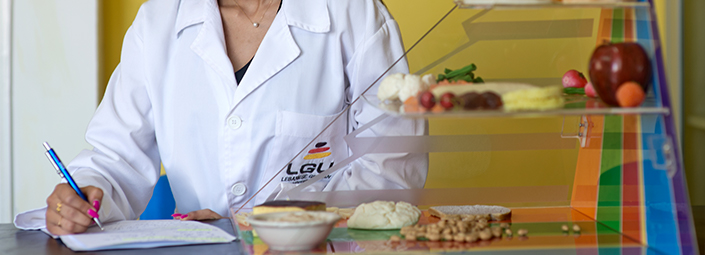
A unique feature of NaRC is its integration into the practical education of students within the Nutrition and Dietetics Department. Under the supervision of experienced faculty members, students actively participate in the operations of the clinic. This hands-on involvement allows students to apply their academic knowledge in real-world settings by conducting nutrition assessments, providing dietary counseling, and supporting community outreach initiatives. This practical experience not only enhances their clinical and counseling skills but also prepares them for their future roles as licensed dietitians, strengthening their ability to work with diverse populations and address various nutritional needs.
Research Focus
The Nutrition and Dietetics Department, in collaboration with NaRC, emphasizes research in key areas such as food consumption practices, nutritional assessments, food safety, and the quality of traditional foods. Additionally, the department explores diet-related non-communicable diseases and the genetic traits underlying nutrition and obesity-related health issues. Through this research, NaRC plays a vital role in advancing knowledge, improving health outcomes, and shaping nutrition-related public health policies in Lebanon and beyond.
From Our Alumni